The Magic of Mark Making: Early Scribbles Building Big Skills
Mark making might sound like a small thing, but it’s actually a very exciting milestone in your child’s development. Those first little squiggles, swirls, and lines are so much more than random scribbles. They’re your child’s first steps into communication, creativity, and writing!
What Is Mark Making?
Mark making is any intentional mark a child makes on a surface. It’s what happens when a toddler picks up a crayon and drags it across paper, or when a preschooler uses chalk on the fence. The key word here is intentional. Children might start by exploring how something feels or looks, but before long they realise they can make something appear where there was nothing before. That’s the magic of it.
Mark making can happen with anything that leaves a trace: chalk on the walkway, paint on paper, fingers in shaving foam, marmite on the kitchen floor (yes, that counts too). It’s an early form of drawing, writing, and self-expression all rolled into one!

When Do Children Start Making Marks?
Most children start to make marks around 12 to 18 months, although it varies from child to child. At this age, they’re not drawing to represent anything specific, they’re exploring. The motion of the crayon on paper or the brush through paint is fascinating in itself.
By around two years old, children begin to experiment with different shapes and patterns, discovering that lines and dots can be made deliberately.
Between three and four, those marks start to take on meaning. You might hear “This is Mummy” or “That’s a dinosaur,” even if you’re squinting hard to see it. Hopefully you’ll hear some story telling or event retelling with their marks too!
By five, many children begin to form letters and numbers, connecting those early marks to the world of writing.
The Journey of Mark Making
Children move through stages as their skills and understanding grow. Here’s what that journey might look like:
1. Random marks and then scribbles
Children are experimenting with cause and effect. Discovering that their movement can make something appear. The marks are mostly lines, zigzags, and loops. Grip is still developing, so they’ll often hold crayons in a fist and use their whole arm to draw.
2. Controlled Scribbles
Scribbles start to look more deliberate. Circles, vertical and horizontal lines, and enclosed shapes appear. You might see the beginnings of patterns or repetition. They’re gaining more control over hand and wrist movements.
3. Beginning Shapes and Forms
This is where it gets exciting. Children start to combine shapes and marks to represent people, animals, or objects. You might see a circle with lines sticking out a “person,” or lines that “go zoom” like cars. These are early attempts at representing the world.
4. Early Drawing and Writing
Children begin to understand that marks can stand for something: letters, numbers, words, and ideas. You’ll see more storytelling through pictures and early attempts to write their name or label drawings.
You may start to see movement from left to right here even if not in a straight line. Pointing out words while reading will help model left to right direction.
Every child moves through these stages at their own pace. The most important thing you can do is celebrate each one.

One of my favourite stages is the 'big head' or 'tadpole person' stage. Children know that they are drawing a person and their drawing is represented by a circle with arms and legs attached directly to it, with no separate torso. Always so cute! And an important milestone!
Why Mark Making Is Important
Mark making may look simple, but it underpins a huge amount of learning and development. Here are some of the key benefits.
1. Fine Motor Skills
Holding a crayon, paintbrush, or stick builds hand and finger strength. These movements prepare the muscles for writing, tying shoelaces, and using scissors.
2. Hand-Eye Coordination
Mark making helps children coordinate what they see with how they move their hand. This is essential for tasks like writing, cutting, and dressing independently.
3. Early Literacy Skills
Those early scribbles lead to understanding that marks can have meaning and we can communicate. This is the foundation of reading and writing.
4. Creativity and Self-Expression
Mark making gives children a voice before they can write words. It’s their way of expressing feelings, ideas, and stories. A child might draw a big, swirling storm because they’re feeling excited, or a neat row of houses because they’re thinking about home.
5. Cognitive and Emotional Development
When children create, they’re making decisions, solving problems, and exploring emotions. Mark making can be calming and confidence-building, offering a sense of control of their bodies and thoughts.
6. Early Maths Understanding
Drawing shapes, patterns, and spatial layouts introduces basic mathematical concepts. Circles, squares, lines, and symmetry all build early geometry awareness.
7. Communication and Connection
When you sit with your child and talk about their marks “Tell me about this one!” you’re building language, connection, and storytelling skills all at once.
8. Connecting Cause and Effect
Drawing and mark making is one of the first ways children see cause and effect play out. If I do this with the crayon then it will make this mark. If I push the paint with the brush, it will do this to the paint. This early experience of cause and effect is powerful!

How to Encourage Mark Making
Mark making takes many forms and doesn’t always look like traditional drawing. Some types include:
- Drawing: Making pictures that represent objects, people, or imaginary scenes
- Writing: Early attempts at letters, names, and familiar words
- Painting: Broad strokes and colour exploration
- Tracing and patterning: Following lines, dots, or shapes
- Imprinting: Pressing objects into playdough, clay, or sand to leave marks
- Scribbling in texture: Drawing in flour, rice, sand, shaving foam, or mud
- Building marks in play: Arranging toys or blocks in patterns and lines
Every one of these activities develops coordination, control, and creativity. They’re all forms of early communication. A way for children to say, “Look what I can do”, “look what I think about,” and “look what I care about.”
Offer a Variety of Tools
Different textures and tools spark curiosity. Try:
- Chalk on concrete
- Paintbrushes with water on the fence
- Sticks in mud
- Cotton buds in paint
- Fingers in flour or shaving foam
- Sponges, rollers, or stampers
Use Vertical Surfaces
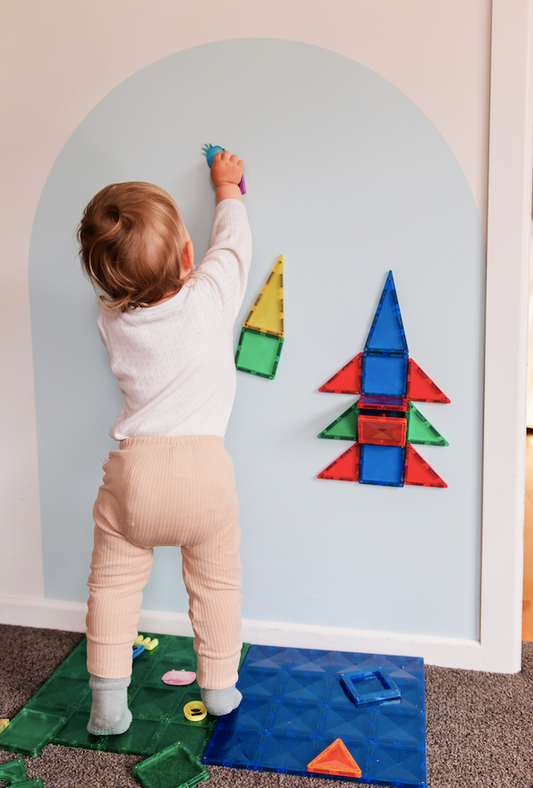
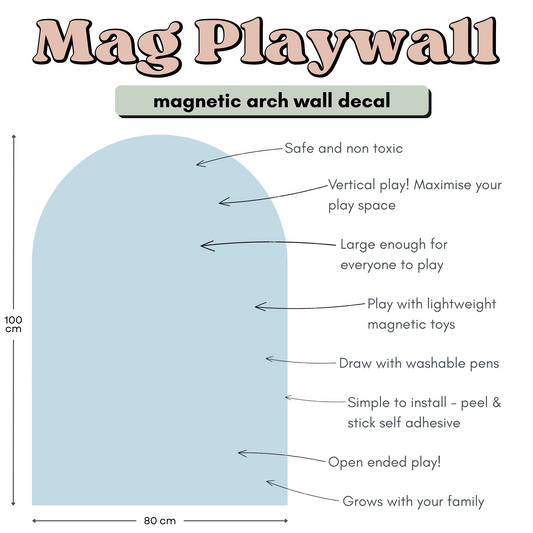
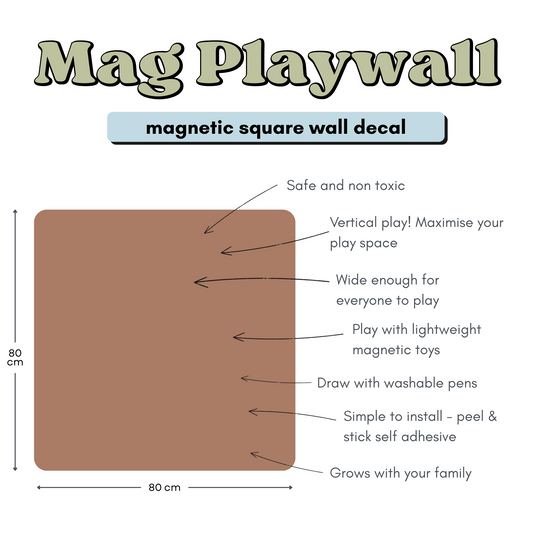
Writing or drawing on a vertical surface (like an easel, window, or magnetic playwall) strengthens shoulder and core muscles: essential for later writing skills. It also encourages good posture and natural wrist movement.
Take It Outdoors
Sidewalk chalk, mud kitchens, sand trays, and even garden walls become perfect canvases. Outdoor mark making can feel less “messy” and more adventurous.
Make It Sensory
Sensory mark making combines touch, sight, and sometimes smell. It’s irresistible to young children! Think finger painting, salt trays, or marks in sand. The more senses engaged, the richer the experience.
Join In Without Taking Over
Children love when adults sit down to draw alongside them. It models confidence and creativity. Just remember to follow their lead. Remember there’s no need to “fix” or perfect their marks. They’re creating, and learning, not competing.
Celebrate the Process
Resist the urge to tidy up or correct. The magic of mark making lies in exploration. Hang up their art, photograph messy play, and talk about what they’ve created. It’s not about the finished product, but the discovery along the way.
Read more about the importance of playing vertically in our blog post: Why Vertical Play is So Good For Kids.
Common Concerns About Mess
Let’s be honest, mark making can be messy. Paint gets on sleeves, chalk dust travels, and somehow crayons end up on the wall. But with a few simple tweaks, you can make it easier to manage.
- Keep a washable tablecloth or old sheet for messy sessions
- Choose washable markers and paints
- Take messy play outdoors whenever possible
- Keep wipes or a damp cloth nearby for quick clean-ups
- Use an old button up as a messy shirt.
And if the mess still makes you twitch a little, remember: those smudges and splatters are signs of learning in action. Think to yourself, is this an actual problem or just inconvenient?
Plus, what a great way to learn about cleaning up after ourselves!

Bringing Mark Making into Everyday Life
You don’t need to carve out a special “art time” every day. (And the mum's on instagram aren't doing that either!) But mark making can easily weave naturally into daily routines once we are conscious of it.
- Leave chalk near the back door for quick outdoor doodles
- Keep a notepad by the coffee table for morning drawings
- A special note book just for them and their thoughts
- Add crayons to the car kit for quiet entertainment
- Encourage children to help ‘write’ shopping lists or cards
- Turn bath time into a mark making session with bath crayons
- Keep your washable crayons out by The Mag Playwall.
The more normal it feels, the more confident children become in expressing themselves through marks and writing. Plus, what a great opportunity to encourage independent play (and give you time to yourself!)
It is important to note that if you want to encourage your child to make marks and draw then they need to see you doing this in your everyday life as well! Yes, phones have become our number one place to write things down but perhaps we should go back to pen and paper shopping notes when we can. Or sit down and draw one day. Modeling Is the best way to encourage the behaviors we are trying to encourage in our wee ones.
Encouraging Children Who Aren’t That Interested
It’s okay if your child doesn’t immediately take to mark making. Every child is different, and some simply need a little extra nudge or the right materials to spark interest. The key is to make mark making fun, accessible, and pressure-free.
Start with large, chunky tools that are easy to hold. Fat crayons on big sheets of paper or giant chalk on a fence give children plenty of room to move and experiment. Vertical surfaces are especially good because they encourage arm and shoulder movement, which is easier for some children than working on a flat table.
You can also:
- Join in yourself. Sit down and make your own marks alongside them, showing that it’s playful and enjoyable
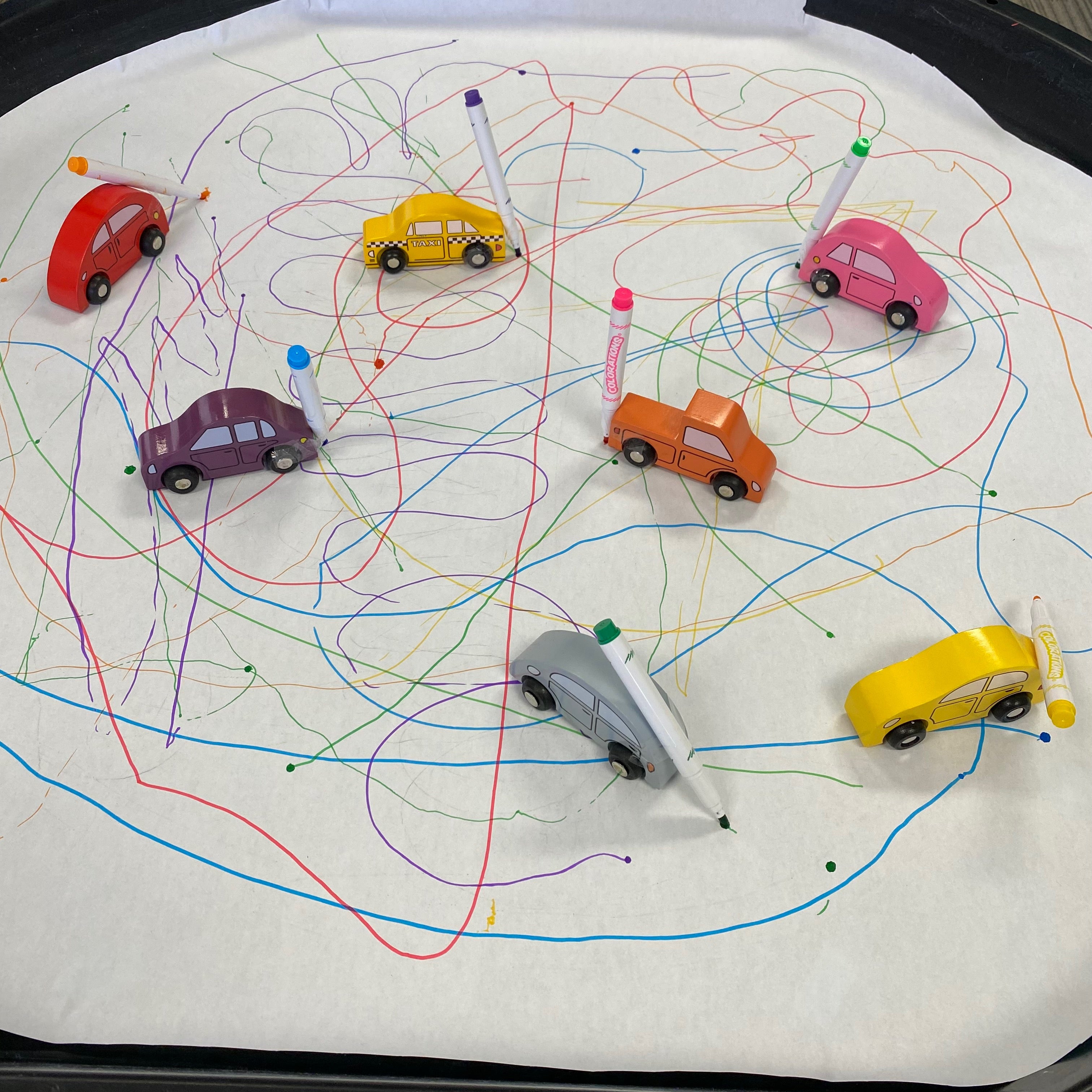
- Link mark making to play they already love, like using a truck in sand or playdough to leave marks, designing a race track for toy cars, or rubbing leaves.
- Offer sensory materials, like sand trays, shaving foam, or water painting, which can be more appealing than crayons or pencils
- Keep sessions short and relaxed, letting children engage at their own pace
- Celebrate the process rather than the product, showing excitement for any mark they make!
With patience, encouragement, and the right tools, even children who aren’t naturally drawn to mark making can discover the joy of scribbles, swirls, and early writing.
The Joy of Watching It Unfold
Mark making is a beautiful reminder that learning doesn’t always come from worksheets or lessons. It comes from curiosity, exploration, and a sense of wonder. Those first scribbles are the roots of writing, creativity, and self-confidence.
When you watch your child draw that first circle, trace letters in the sand, or cover the driveway in chalk rainbows, you’re seeing the beginnings of so much more than art. You’re watching language, thought, and imagination take shape.
So next time your child proudly shows you a page full of colourful lines, resist the urge to say “What is it?” Instead, try “Tell me about your picture.” The story you’ll hear will be worth every scribble.
Want to learn more?
Check out these related posts:
- Why Vertical Play Is So Good for Kids
- What Is Open Ended Play? Why It Matters for Development
- 7 Easy Ways to Encourage Open Ended Play and Inquiring Minds
Or explore our product page for tools designed for mark making at home:
- The Mag Playwall!
- Washable Crayons!