7 Easy Ways to Encourage Open Ended Play and Inquiring Minds
Kids are natural explorers. They come into the world curious, creative, and ready to figure things out. But the modern world doesn’t always make space for that kind of slow, self-led discovery. The toy box is full but toys often come with flashing lights, set instructions, and one way that it works, not leaving much room for child led play and fun!
Open ended play is play without a set outcome, no instructions, and no “right” way to do it. Children decide what happens next and where the fun will go.
It’s the kind of play that helps kids explore, create, and follow their curiosities, and it doesn’t need special setups or anything fancy. Just a bit of space, time, and materials that don’t do all the work for them. A few simple shifts at home can make a big difference.
Read more about open ended play, check out our ultimate guide here: Everything You Need to Know About Open-Ended Play - The Ultimate Guide!
Here are seven ways to support open ended play and spark those inquiring little minds!
1. Keep materials simple and versatile
Offer open ended items like blocks, fabric scraps, cardboard boxes or wooden pegs. These don’t suggest a “right” way to play, so kids are free to invent their own ideas. Just pop a few materials in a basket and let your child take the lead. This is also a great way to encourage kids to play all the time without activities or toys set up for them.

2. Rotate toys to spark new interest
Rather than having everything out at once, try packing some toys away and bringing them out again later. Swapping toys every weekly/fortnightly/monthly or so keeps things feeling new and encourages kids to explore different ways.
3. Let boredom happen
It’s okay if your child says “I don’t know what to do” or "I'm bored.” Being bored is actually not life threatening even when it feels like the end of the world at that moment! Try not to jump in with solutions straight away. Sit with it, often a bit of boredom is the gateway to creative play!
4. Use what’s already around
You don’t need special toys. Pillows become forts, kitchen tongs can feed dinosaurs, and laundry baskets make great boats. Look around the house and follow your child’s ideas for turning everyday things into play prompts. (There is a reason most primary school teachers are hoarders! Every cardboard tube could be someone else’s sword!)
5. Play alongside without taking over
Join in sometimes, but let them stay in charge. Sit nearby, stack blocks beside them or mirror their actions. You’re showing interest without directing the play. This is a great opportunity to model and build vocabulary as well.
6. Keep questions and prompts open ended
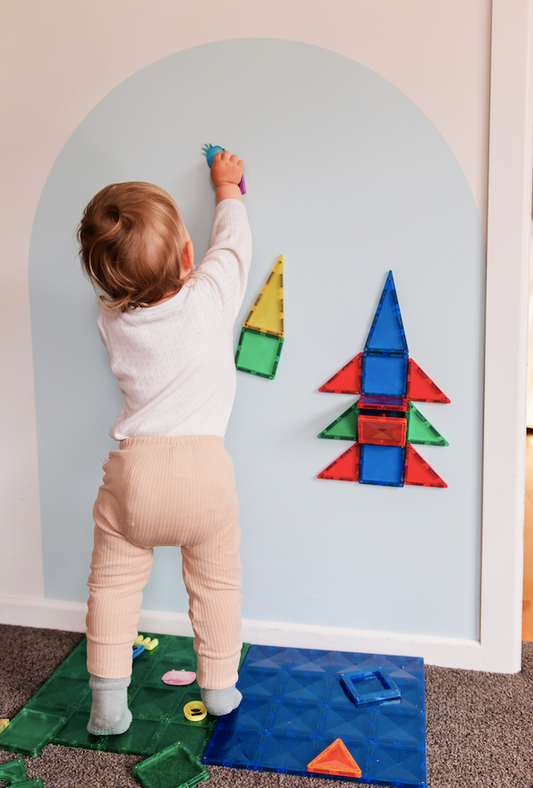
Instead of saying “Let’s build a rocket,” try “I wonder what we could make with these blocks?” Open ended language encourages experimentation and keeps the play led by the child.
7. Accept the mess for now
Creative play can get messy and that’s okay. Mess often means something interesting is happening. Try setting up a space where it’s safe to spread out, and give a set time for free play with a clear agreement about when it’s time to tidy up. Knowing they can make a bit of a mess without being stopped gives kids permission to explore more deeply, take risks, and follow their ideas further!
 Open ended play invites us to step back and let children take the lead. It asks parents and teachers to trust in the power of curiosity, imagination, and a little bit of mess. Sometimes that can feel risky. Letting go of control, ignoring the urge to fix or direct, and allowing play to be unpredictable, imperfect and probably a bit messy! But it is in that freedom where the richest learning happens.
When kids explore without rules or guidelines, they build essential skills that set them up for life. Open ended play encourages creativity, problem solving, decision making, emotional regulation, and focus. It helps children grow confidence in themselves and their ideas. It nurtures flexible thinking, the kind of thinking that will help them adapt, innovate, and thrive long after the toys are packed away.
So whether you are a parent in a busy home or a teacher in the classroom, give yourself permission to take the leap. Make space for play that is messy, slow, and full of surprises. You do not have to have all the answers or perfect toys (in fact cheap things that aren’t toys are often the best!) You just need to be willing to watch, listen, and let the magic of open ended play unfold.
Because when children play this way, they are not just passing the time, they are learning to be lifelong learners!
Want to learn more?
Check out these related posts:
- What Is Open Ended Play? Why It Matters for Development
- Everything You Need to Know About Open-Ended Play - The Ultimate Guide!
- The Best No-Cook Playdough Recipe to Encourage Open Ended Play and Creativity
- Fine Motor Skills for Preschoolers: 10 Easy Activities That Really Work!
Or explore our product page for toys designed specifically for open ended play: