Everything You Need to Know About Open-Ended Play - The Ultimate Guide!
What Is Open-Ended Play?
Open-ended play is play without a fixed outcome. There are no instructions, no right or wrong ways to do it, and no end goal. Children decide where the play goes and what happens next. This kind of play is child-led and imaginative. It might look like a pile of blocks that becomes a zoo, then a spaceship, then a tower of cupcakes. Or it could be a piece of fabric that turns into a cape, a nest, a curtain, and a picnic rug all before morning tea. The same objects take on entirely new meaning depending on the mood, the child, and the moment.
The beauty of open-ended play is that it allows children to explore their ideas freely. They are not trying to complete a task or get the right answer. They are creating their own worlds, solving their own puzzles, and developing a sense of agency over their learning. This is different from instruction-led or flashy toy play, where the toy itself often dictates what the child should do. In open-ended play, the child leads the way.
Why Open-Ended Play Is So Important for Children’s Development
Open-ended play supports almost every area of development. It encourages creative and flexible thinking, allowing children to come up with original ideas and explore multiple solutions to problems. It builds language and storytelling skills as children narrate their play, take on roles, and explain their ideas. Emotional resilience and self-regulation grow as children manage their own frustrations, reset after challenges, and keep going when things do not go to plan.
Problem solving and independence come naturally through this kind of play. Kids test ideas, change plans, and find their own way forward. They also develop focus and attention, learning to stay with something for longer when they are truly engaged.
Fine motor skills are supported too. Open-ended play often involves small, purposeful movements that build strength and control in the hands and fingers. Stacking blocks, placing magnets, drawing, threading beads, and pinching playdough all help prepare children for milestones like writing, tying shoes, and using scissors.
This is how children learn best! Through doing, trying, experimenting, and playing on their own terms.
What Makes Open-Ended Play Feel Tricky
There are plenty of reasons open-ended play can feel difficult to encourage. Fast-paced lifestyles leave little time for unstructured exploration. Toy overload means children are often surrounded by items that do all the entertaining for them. Marketing tends to push toys that are loud, flashing, and full of instructions.
We often feel uncomfortable when our children are bored, wandering, or making a mess. Some kids also struggle to get started with open-ended play, especially if they are used to being directed. But that is okay. Good even. This kind of play can be slow at first. It might look messy. It might look like nothing. But it is where the learning happens.
It is worth remembering that open-ended play can be simple, slow, and incredibly valuable. You do not need to buy more. In fact, less is often better.

Toys, Tools and Materials That Invite Open-Ended Play
Some of the best tools for open-ended play are things you already have. Loose parts like sticks, shells, buttons, fabric scraps, and cardboard boxes offer endless possibilities. Blocks, playdough, animal figurines, and stackable cups are all wonderful too.
Everyday items like muffin trays, pegs, or kitchen tongs can take on new life in a child’s hands. Nature finds on your walks like pinecones, rocks, or leaves are also great to keep in a basket. They’re free, interesting, and great for sensory exploration. Plus they found it, so they’ll be interested in seeing that particular rock again! Going on a discovery walk to collect these items can be part of the play itself. (I understand not wanting to encourage pockets of pebbles every time you leave the house though!)
When shopping for toys, look for options that are open ended rather than one-and-done. Avoid scripted or overstimulating toys that only do one thing. A simple basket of materials can often spark more creativity than a cupboard full of lights and buttons.
Rotating toys each week/fortnight/moth can also help. Instead of offering everything at once, all the time, try packing some things away and swapping them out regularly. This keeps play feeling fresh and encourages kids to explore familiar objects in new ways!
How to Encourage Open-Ended Play at Home
Open-ended play does not need to be complicated. Here are three ideas that are easy to try at home with what you already have:
Let boredom happen.
It is okay if your child says they are bored. Boredom is often the beginning of something really interesting. Instead of rushing in with a solution, try sitting with it. Give them time to figure out what comes next. That is where the magic starts.
Play alongside without taking over.
You can be nearby or even join in, but let your child stay in charge. Follow their lead, mirror their actions, or ask open-ended questions. The play stays theirs, and your presence builds connection.
Rotate toys to spark interest.
Try putting some toys away and bringing them out a week or two later. Familiar items often feel new when they reappear. It helps children find new ways to play with the same materials.
Use natural materials.
Head outside and see what you can collect. Leaves, pebbles, feathers, shells, sticks. Offer them in a basket inside and see what your child creates. They might become ingredients, tools, or the beginning of a whole new world.
Accept the mess for now.
Creative play can get messy and that is okay! Set expectations about when it is time to tidy up. (and give the warning countdown to avoid surprises!) Let them know that during playtime, mess is part of the process. This gives kids permission to go deeper into their ideas.
For more ideas, check out our blog post here: 7 Easy Ways to Encourage Open Ended Play and Inquiring Minds
The Grown-Up’s Role in Open-Ended Play
One of the biggest shifts with open-ended play is changing what we think support looks like. Instead of showing or correcting, adults can be quiet observers, gentle encouragers, and curious question-askers.
Try asking things like “What else could you use?” or “Tell me about what you’re making.” These open-ended questions invite reflection and creativity without leading the child to a specific answer.
It is okay to sit nearby with a cup of tea, nodding, smiling and asking questions, while your child builds their imaginary kingdom. Your presence is still important, even if you are not directing the play. Children often play more confidently when they know you are there and interested.
Let go of the idea that every activity needs an outcome. Some of the richest learning happens in the process, not the product.
Open-Ended Play Builds Independence
When children lead their play, they make decisions, take risks, and follow through with their own ideas. This builds independence. They start to trust their own thinking and feel confident setting things up or solving problems without help.
This confidence shows up in other areas too. You might notice your child choosing clothes, packing their bag, or initiating their own games more often. These are all signs that independent play is supporting broader growth.
If you are used to being the cruise director of your child’s day, stepping back might feel strange at first. But it is worth it. The more space you give, the more capable they become.
Supports Fine Motor Skills
Play is one of the best ways to support fine motor development without it feeling like work. Threading beads, pinching dough, stacking pebbles, drawing spirals, and moving small pieces all help strengthen the muscles needed for writing and everyday independence.
Kids do not need worksheets or handwriting drills to prepare their hands. They need chances to explore, build, press, twist, and create with small tools and their own hands. The best part? They are usually having so much fun they do not realise they are building muscles and control.
If your child is struggling with buttons or pencil grip, more open-ended play might actually be one of the best things you can offer.
To learn more about fine motor skills, check out our blog post here: Fine Motor Skills for Preschoolers: 10 Easy Activities That Really Work!
Open-Ended Play Develops Communication Skills and Builds Vocabulary
When children play together without scripts, they have to figure things out. Who gets which piece? What is the game? How do we solve this disagreement?
Open-ended play encourages children to listen to others, explain their own ideas, negotiate rules, and practise compromise. Sure, there will be squabbles (there always are… aren’t there?) That is part of it. But these moments build emotional awareness and problem-solving!
When adults support this kind of play with rich language, it also boosts vocabulary. You might say things like “I wonder what your creature eats?” or “Can you tell me the story behind this building?” Little comments can open up big conversations.
These back-and-forth moments strengthen both social and communication skills, helping children become better collaborators and more confident speakers.

Conclusion: Why This Matters
In a world that moves fast, open-ended play invites children to slow down. It makes space for thinking, creating, and figuring things out for themselves. And it gives grown-ups a chance to step back and witness something pretty wonderful! Kids developing all the skills they need through play.
You do not need an Instagram-perfect setup. You do not need a new toy haul. Just a little space, a little time, and a whole lot of trust that your child is capable of amazing things!
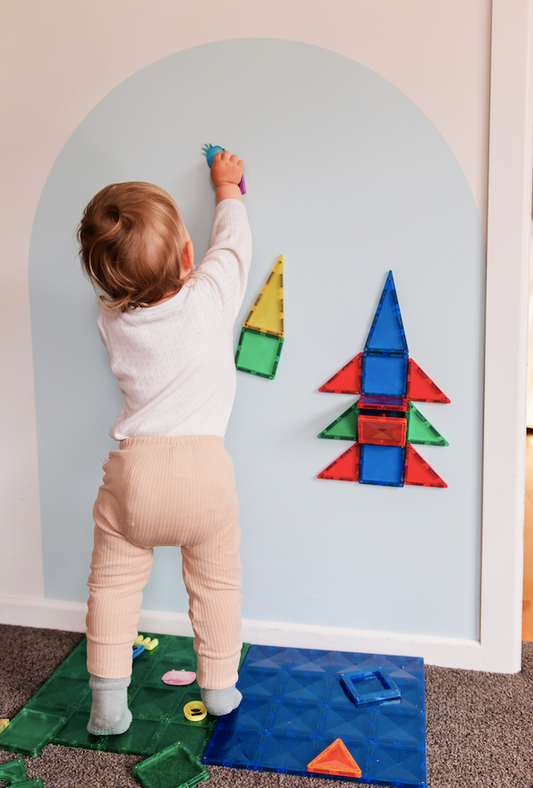
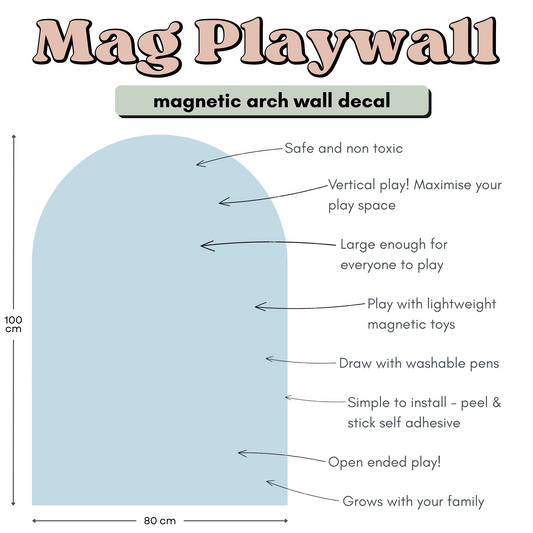
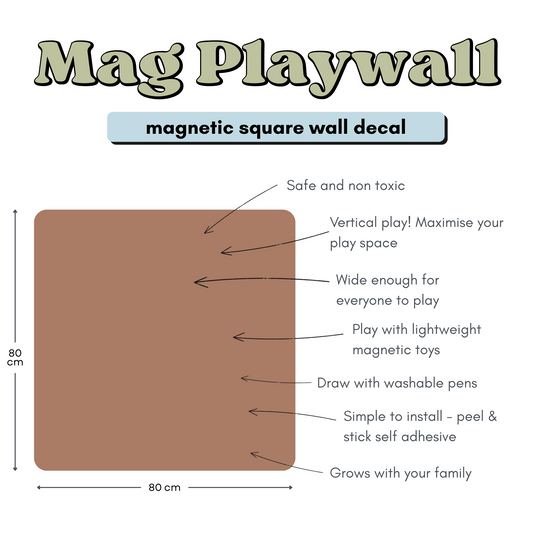
If you are looking for a tool that supports this kind of slow, creative, child-led play at home, the Mag Playwall was designed by a teacher, with that in mind! It looks good, works flexibly, and grows alongside your child. No pressure, just play. And one of the best things about the Mag Playwall is that it looks good so you keep it out all the time and because it’s out all the time, the kids can play independently all the time! Win-win-win!
Or explore our product page for tools designed by a teacher for open ended play: