The Ultimate Guide to Independent Play for Kids
Independent play might sound like something that just happens naturally. You pop a toy down, step back, and magically your child is happily playing on their own for hours. The reality is a little different... Independent play is a skill that kids learn over time, just like walking, riding a bike or tying shoelaces. And just like any skill, they get better at it with practice, the right tools, and a little bit of patience from us.
If you have ever felt guilty for not entertaining your child every moment of the day, this guide is for you! If you have ever wondered whether independent play is really worth encouraging, the short answer is yes!
What Independent Play Really Means
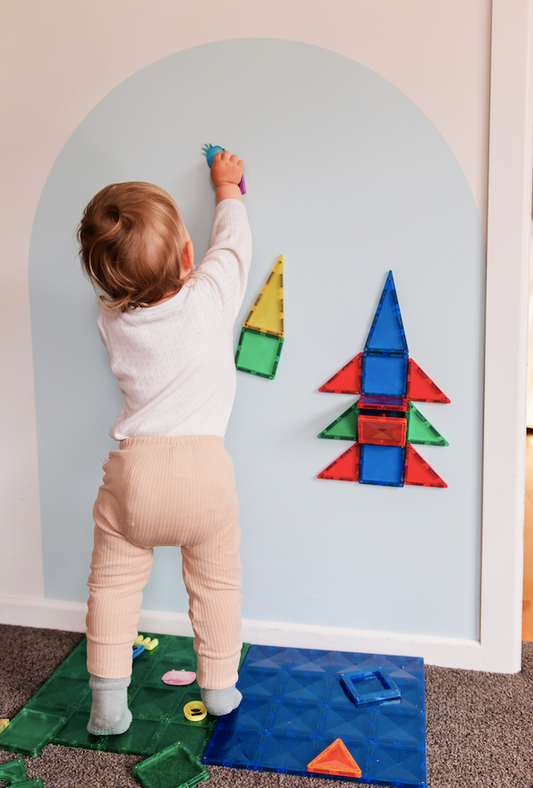
Independent play is when your child is able to engage in an activity by themselves without you having to lead or join in. That might be building a block tower, drawing a picture, telling stories to their dolls, or creating a whole world on the Mag Playwall.
It does not mean leaving your child to fend for themselves for hours. You are still nearby, still present, and still available if they need you. But you are giving them space to explore, create, and problem-solve on their own.
The beauty of independent play is that it is entirely self-directed. Your child decides what they are doing, how they are doing it, and when they are finished. That freedom is incredibly powerful for their growth and confidence.
Remember: Play is Learning!
One of the biggest misconceptions about play is that it is simply a way for kids to burn off energy. In reality, play is how children learn best. It is not an “extra” to fit in after the serious stuff, it is the serious stuff.
When your child plays independently, they are:
- Developing problem-solving skills
- Practising creativity and imagination
- Strengthening fine and gross motor skills
- Learning how to focus for longer periods
-
Building emotional regulation and resilience
We know that hands-on, self-directed play is the most natural and effective way for young children to learn. And it makes sense. If you think about the times you have learnt the most yourself, chances are it was by doing something you were genuinely interested in?
The Parent Guilt Problem
Many parents feel bad about encouraging independent play. Somewhere along the line we picked up the idea that being a good parent means being a full-time entertainer. If our kids are bored, we feel like we have failed them.
But here is the truth. Constant entertainment actually works against independence. If we are always there to jump in and lead the fun, kids do not get the chance to practise making their own fun.
And boredom? It is not the enemy. In fact, boredom can be the spark that leads to the best kind of creative play. When kids are left to their own devices, they have to think, plan, and invent. That is where imagination flourishes.
So if you are reading this with a side helping of guilt, please let it go. You are not neglecting your child when you step back. You are giving them the gift of independence. And remember: play is learning!
Setting Kids Up for Success
Independent play will not magically appear just because you decide it should. Kids need the right environment and opportunities to make it happen. One of my favourite ways to spark it is with an “invitation to play”.
An invitation to play is simply setting out an activity or a selection of materials in a way that invites your child to explore on their own. The key is to keep it simple, open-ended, and something they can manage without constant help from you.
Some ideas for invitations to play:
- A basket of wooden blocks with a few toy animals
- Paper, crayons, and stickers laid out on the table
- Playdough with a rolling pin and a few cutters
-
The Mag Playwall set up with shapes in a pattern to copy or change
These invitations act like a little nudge. They say “here is something interesting” without telling your child exactly what to do. And that is where the magic of independent play begins.
Creating the Perfect Environment for Independent Play
The environment makes a huge difference to whether independent play thrives or fizzles. The goal is to make play spaces that are inviting, accessible, and not overwhelming.
Keep toys and materials within reach so kids do not need to ask for help to get started. Limit clutter so they are not paralysed by too many choices. And offer a variety of play options: floor-based toys, table activities, outdoor play and vertical play like the Mag Playwall.
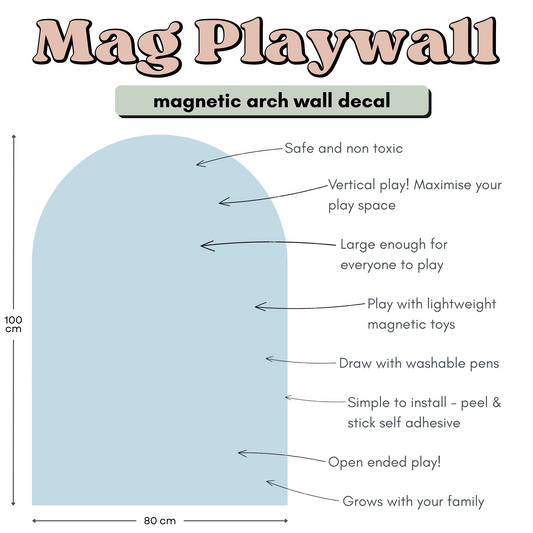
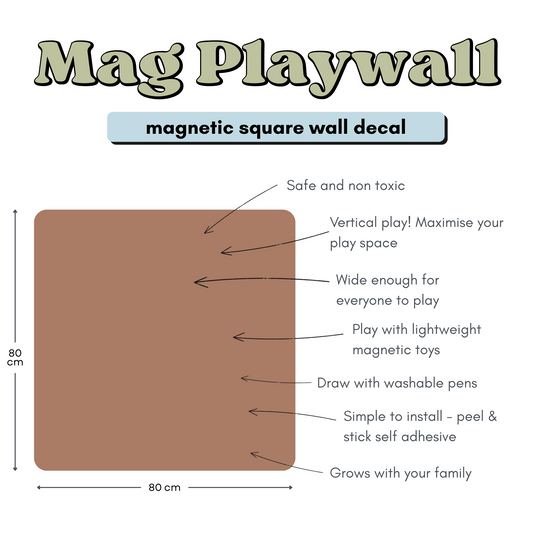
The Mag Playwall deserves a special mention here. It looks beautiful in any room and can live on your wall full-time, which means it is always ready to go. There is no dragging out heavy boxes or packing things away in a rush. Kids can wander over whenever inspiration strikes, in the morning before school, after lunch, or while you are cooking dinner, and start playing straight away. That ease of access is pure gold for encouraging spontaneous, self-directed play.
Read more about vertical play and it's benefits for gross motor skill development in our post here: Why Vertical Play Is So Good for Kids.
The Best Toys and Activities for Independent Play
Not every toy is made for solo play. The best ones have a few things in common.
A great independent play toy is:
- Open-ended so it can be used in multiple ways
- Easy for your child to use without help
- Engaging enough to hold their attention
-
Durable and able to grow with them over time.
Some of our top picks for independent play:
- Magnetic play walls and magnetic tiles (yes, the Mag Playwall is a winner, that's why we love it!)
- Wooden blocks and loose parts like pebbles, shells, or rings
- Pretend play props like play kitchens, dolls, and dress-ups
- Art stations with paper, crayons, safe scissors, and glue (glue sticks or masking tape!)
- Simple sensory bins with rice, scoops, and cups.
- Playdough ready to roll and make!
These kinds of toys do not have a “right” way to play with them. That means your child can explore at their own pace, in their own style, and keep finding new ways to use them as they grow.
Read more about open ended play in our post here: Everything You Need to Know About Open-Ended Play - The Ultimate Guide!
Independent Play at School and Home
Teachers know the value of independent play and use it in the classroom every day. Activities are set up so children can explore without step-by-step instructions. There are quiet spaces where kids can focus and shared areas that invite cooperation.
At home, you can take inspiration from this approach. Offer choices, make materials accessible, and step back so your child can take the lead. When both school and home encourage independence, it reinforces the skill and builds confidence faster.
Troubleshooting Common Independent Play Challenges
Sometimes independent play takes a little work to establish. You might find that your child:
- Loses interest quickly
- Calls for you constantly
- Gets frustrated and gives up.
Here are some ways to troubleshoot:
- Start small. Expect a few minutes at first and slowly build up.
- Choose activities you know they enjoy before introducing new ones.
- Sit nearby at the beginning so they feel reassured, then quietly step back.
- And remember, consistency matters. Practice makes progress. The more opportunities they have, the better they will get at it!
Independent Play for Different Personalities
Like everyone, every child is unique, so independent play will look different for each one. A quieter child might happily draw for an hour, while an energetic child might prefer something physical like building a giant block tower.
The trick is to notice what lights them up and work with that. Offer options that suit their personality but still challenge them to stretch their skills. Independent play is not about making every child do the same thing. It is about giving them space to explore in their own way.
Why It Works So Well
Independent play builds more than just the ability to keep themselves entertained. It nurtures creativity, problem-solving, resilience, and confidence. It gives parents a moment to breathe while knowing their child is learning and growing in the best possible way.
The truth is, it is not about doing less for your child. It is about doing something even more valuable: giving them the skills to do things for themselves. And that is a gift that will serve them for life.
If you are ready to create a home that inspires independence, start small, be consistent, and make the environment work for you. And if you need a little help with the perfect tools, Peasy Play has you covered.
Want to learn more?
Check out these related posts:
- Why the Mag Playwall is Great for Independent Play!
- Everything You Need to Know About Open-Ended Play – The Ultimate Guide!
- Raising Capable Kids: How to Nurture a Growth Mindset That Builds Resilience and a Love of Learning
- Independent Play: How to Teach Kids to Play on Their Own
Or explore our product page for tools designed to let them play when they want while still looking good in your home: