From Wobbles to Wiggles: Building Strong Gross Motor Skills Through Everyday Play!
Helping your little whirlwind build strong gross motor skills doesn’t have to feel like training for the Olympics. In fact, gross motor skills are simply the big movements your child uses every day. From running and jumping to climbing and balancing. These skills form the foundation of confident movement and joyful play, which are essential for kids. (Although it does seem like they’re the gold medal winners of chaotic adventure at times!)
In this article, we’re diving deep into what gross motor skills really are, why they matter, and how play is at the heart of it all. Plus, you’ll find practical tips and easy everyday ideas to help your child move with confidence and have fun doing it. Whether you’re a parent juggling busy days or a teacher skimming for quick insights, this guide is packed with everything you need to know.
What Are Gross Motor Skills?
Gross motor skills involve the large muscles in a child’s legs, arms, back, and core. They’re what allow kids to roll, sit, crawl, walk, jump, skip, climb, dance, and balance. Basically, any movement that gets them from one place to another or helps them control their bodies in space falls under this category.
These skills differ from fine motor skills, which focus on smaller movements like holding a pencil, buttoning a shirt, or using scissors. While fine motor skills often get a lot of attention, especially when school starts rolling around, gross motor development lays the groundwork for all that smaller, more fiddly stuff to come.
Play is the natural way children develop gross motor skills. Through play, kids explore their bodies, challenge themselves, and build strength and coordination without even realizing they’re learning. Whether they’re climbing on the couch, chasing a ball, or dancing around the living room, play is child development in action!
The Role of Core Strength in Gross Motor Development
Core strength is the powerhouse behind almost every gross motor skill. When we talk about the core, we mean the muscles around the tummy, back, and pelvis that help stabilize the body. A strong core is essential for balance, posture, and coordination.
Think about how your child sits during story time, holds their body when running, or reaches up high to grab a toy. All of these movements rely on core strength. Kids who have well-developed core muscles tend to have better control over their movements, making it easier to learn new physical skills and even sit still for classroom activities like handwriting.
Supporting core strength doesn’t have to be complicated. (No, kids don’t need to be doing sit ups to strengthen their core, lucky things!) Simple games like animal walks (imagine a crab scuttling or a frog hopping), climbing on safe furniture, or playing “freeze” with stretches can make a huge difference all while being lots of fun.
How Gross Motor Skills Shape Confident, Capable Kids
Gross motor skills do so much more than help kids move their bodies. They have wide-reaching benefits for physical health, brain development, emotional wellbeing, and social skills.
- Physically: developing gross motor skills builds strength, coordination, and endurance. Kids who move regularly are less likely to get injured and more likely to feel confident trying new activities. Regular active play supports healthy bones and muscles and even contributes to better sleep.
- Cognitively: moving the body helps develop important brain functions like spatial awareness, memory, and problem-solving. Research shows that children who are physically active tend to have better focus and perform better academically.
- Emotionally and socially: movement builds confidence and independence. When kids feel capable in their bodies, they are more willing to explore, take risks, and make friends. Movement also helps regulate emotions and behaviour. Think of how a quick run or dance session can calm a frustrated child or lift a down mood.
All of this happens through play! Play is not just fun; it’s how children develop holistically. Encouraging playful movement gives kids the foundation they need to be happy, healthy, and ready for anything life throws their way.
The Link Between Gross Motor Skills and Academic Learning
You might be surprised to learn just how closely connected physical movement is to academic success. The brain and body work together in ways that mean moving well helps children learn better.
Gross motor play supports attention, memory, and problem-solving skills. Active breaks, where kids get up and move between lessons, have been shown to boost focus and reduce restlessness in the classroom. When children have strong gross motor skills, they tend to sit better, hold pencils more steadily, and engage more fully with learning tasks.
Movement also helps children understand concepts like position, direction, and spatial awareness, which are important for reading and maths. For example, when kids play obstacle courses that require going over, under, or through objects, they are practicing positional language and spatial thinking without even knowing it.
So the next time your child is jumping, climbing, or throwing a ball, remember: they’re also strengthening the parts of their brain that help them learn.
Supporting Kids Who Find Gross Motor Skills Tricky
Every child develops at their own pace, and some may find gross motor skills trickier than others. You might notice that your child avoids climbing, trips often, tires quickly, or seems less confident with active play. These can be totally normal and often just mean they need a little extra time, practice, or encouragement to build strength and coordination. It doesn’t mean they won’t get there!
Here are some positive, practical ways to help:
- Break activities into small, manageable steps. Celebrate every little success.
- Use fun, playful activities to encourage movement without pressure.
- Practice regularly, but keep sessions short and enjoyable.
- Give plenty of praise and encouragement to build confidence.
-
Observe and adapt activities to your child’s interests and abilities.
Even everyday walks can become little gross motor adventures. Try adding in:
- Balancing along low curbs, garden edging, or footpath cracks
- Jumping over puddles, leaves, or chalk-drawn shapes
- Running short races to the next letterbox or lamp post
- Dodging between trees, poles, or safely placed cones
- Leaping from one dry patch of grass to another like frogs or superheroes
- Throwing and catching a soft ball or rolled-up socks as you walk together
These small, playful moments help build coordination, strength, and confidence, without needing a big setup or any special gear.
Playgrounds are also a great place to seek out activities to support gross motor skill development!
Read our quick guide on 10 Easy Ways to Purposefully Work on Gross Motor Skills at Home here.
Everyday Ways to Nurture Gross Motor Skills at Home and School
You don’t need fancy equipment or a gym membership to support gross motor development. Making movement a natural part of your child’s day is the key.
Here are some easy ways to get started:
- Encourage climbing and crawling games using cushions, furniture, or playground equipment.
- Set up obstacle courses in the backyard or living room using household items like chairs, ropes, and boxes. Try timing your child or turning it into a fun race to add excitement.
- Play ball games that involve throwing, catching, or kicking. Balloon volleyball or rolling a ball back and forth can be gentle options for beginners.
- Dance to favourite songs and try different movements like spinning, hopping, and marching. Even simple freeze dance games get kids moving and thinking.
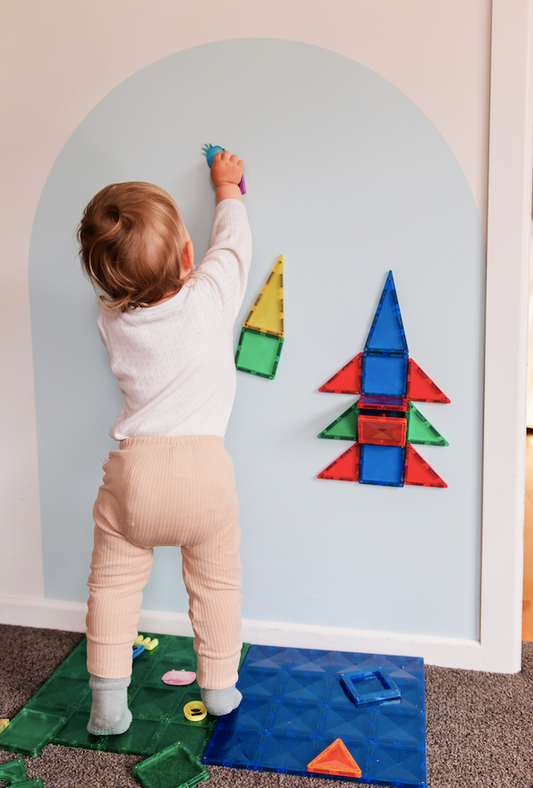
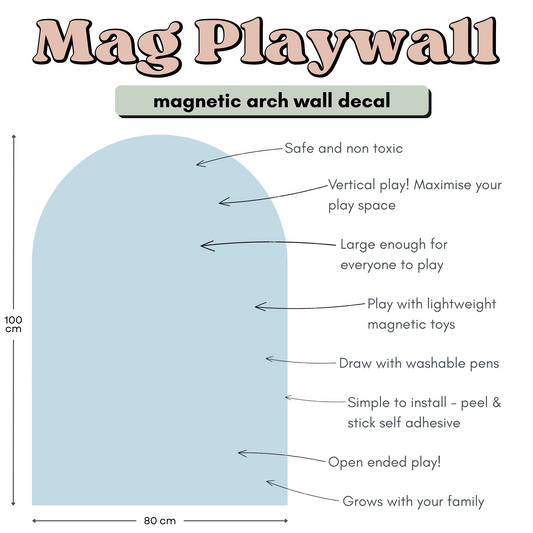
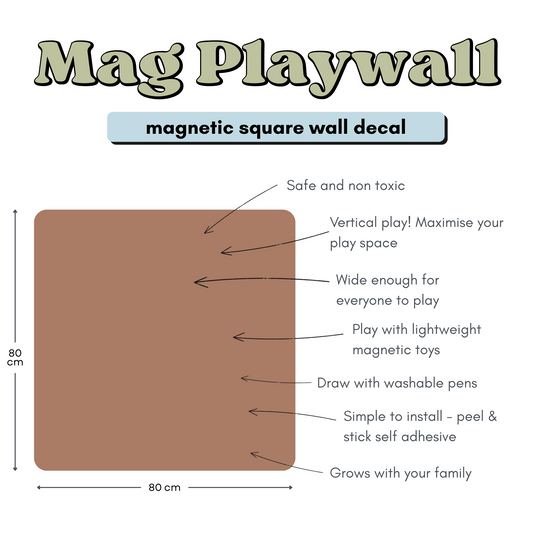
- Use vertical play, such as drawing on walls with chalk or magnets on a board, to improve upper body strength and coordination. This kind of play encourages reaching, stretching, and balance.
- Take regular outdoor walks exploring different terrains, grass, sand, gravel, to challenge balance. Walking barefoot on grass or sand adds sensory input too.
Remember, play is the best teacher. Let kids lead the fun, try new challenges, and explore movement at their own pace. Offering choices and new ideas keeps things fresh and exciting.
Easy Outdoor Everyday Wins for Gross Motor Development
Life is busy, so fitting in planned activities isn’t always easy. Luckily, there are plenty of simple ways to encourage gross motor skills without any extra effort.
Try these:
- Visit the playground and encourage climbing, swinging, and sliding. Notice how different equipment challenges different skills, monkey bars build arm strength, balance beams test coordination, and swings promote core control.
- Go for scooter or bike rides around the neighbourhood. Both help develop balance and coordination, plus they are great for endurance.
- Walk to the park and balance on curbs or rocks. Even a simple walk can become a fun balancing game.
- Jump over puddles after rain or skip between chalk-drawn squares on the driveway. These playful challenges add excitement and skill-building to everyday moments.
- Play games like tag, hopscotch, or “follow the leader.” These games encourage quick thinking, agility, and spatial awareness.
These everyday moments add up and make movement a normal, joyful part of life.
Gross Motor Skills and Language Development: Positional Words and Beyond
Gross motor play also supports language development, especially with positional and spatial words like over, under, through, around, and beside.
As children move through obstacle courses or play chasing games, they naturally practice these words and concepts. Talking about movement during play helps children understand the language and connect it to their experiences.
Try narrating your child’s movements or encouraging them to give instructions to others during play. This makes learning language fun and meaningful. For example, you might say, “Can you crawl under the table?” or “Let’s jump over the rope.” Using rich language in active play helps build vocabulary effortlessly.
The Importance of Letting Kids Lead Their Movement Play
Sometimes adults feel the need to plan every game or activity, but often the best movement happens when kids lead the way.
When children create their own games, set challenges, and explore movement on their own terms, they build creativity, confidence, and problem-solving skills. Sibling and peer-led play is especially valuable because it encourages cooperation and social skills.
Giving kids the space to take charge also gives parents a well-deserved breather! Win-win for everyone!
Safety Tips for Gross Motor Play
Encouraging movement means also keeping it safe. Here are some tips to help create a safe environment for your little movers:
Remove hazards from play areas like sharp edges or slippery surfaces.
Supervise risky play, but try not to hover — let children explore within safe limits.
Use age-appropriate equipment and adjust challenges to your child’s abilities.
Encourage wearing suitable footwear and clothing for movement and weather.
Safe play supports confidence and helps kids push their limits safely.
Final Thoughts: Movement and Play as Foundations for Life
Gross motor skill development is about so much more than just moving well. It lays the foundation for physical health, cognitive growth, emotional wellbeing, and social success.
The best part is it all happens naturally through play! The most powerful learning tool children have. By encouraging playful movement every day, you’re helping your child build strength, confidence, and skills that will support them for life.
If you want more ideas and support, check out the Fundamental Movement Skills guide from Sport New Zealand. It’s full of practical tips and free resources to help you nurture your child’s development through joyful movement.
So pile up those cushions, head outside, crank up the music, and watch your little mover conquer the world one hop, crawl, or dance move at a time!
Want to learn more?
Check out these related posts:
- Raising Capable Kids: How to Nurture a Growth Mindset That Builds Resilience and a Love of Learning
- Fine Motor Skills: What They Are, Why They Matter, and How to Build Them Through Everyday Play
- Why Vertical Play Is So Good for Kids
- Helping Junior Learners Move with Confidence: A Simple Guide to Fundamental Movement Skills (FMS) for Busy Teachers
- 10 Easy Ways to Purposefully Work on Gross Motor Skills at Home
- Gross Motor Skill Development - Big Moves for Little Bodies!
Or explore our product page for tools designed for vertical play to support gross motor skill development: