Helping Juniors Learners Move with Confidence: A Simple Guide to Fundamental Movement Skills (FMS) for Busy Teachers
If you teach ECE, New Entrants, Year 1 or Year 2, you already know how much children need to move... (Or if you have ever met a child, ever...!)
From wiggling on the mat to dashing across the playground, movement is part of everything they do. But purposeful movement, the kind that builds coordination, confidence and focus, doesn’t always happen on its own. That’s where Fundamental Movement Skills (FMS) come in.
Yes, it is one more thing to somehow fit into an already packed school day. But here’s the thing. Children who are confident movers tend to be more confident learners too. When kids have a strong foundation in movement, strong gross motor skill development, then everything from handwriting to staying focused during whole-class lessons becomes just that little bit easier. It’s worth making space for, and it doesn’t have to be complicated.
What Are Fundamental Movement Skills Anyway?
Fundamental Movement Skills are the building blocks of physical development. These are the skills that help children move confidently and control their bodies during play, sports and everyday life. They fall into three main groups:
- Locomotor skills: running, jumping, hopping, skipping, galloping
- Object control skills: throwing, catching, kicking, striking
- Stability skills: balancing, twisting, turning, dodging
These skills are not about being sporty or competitive. They are about helping children feel good and strong in their bodies, so they can participate, try new things and develop the kind of physical confidence that supports learning across the curriculum.
Read more about gross motor skills in this blog post here: Gross Motor Skill Development - Big Moves for Little Bodies!
Why Make Time for It?
Let’s be honest. You’re already juggling phonics, writing, maths, managing classroom routines, and everything in between. Fitting in a movement program might seem like a big ask. But it doesn’t need to be formal or time-consuming to make a difference.
Purposeful movement helps children:
- Build focus and settle into classroom learning
- Develop resilience and a growth mindset
- Understand and use positional language like under, over, beside and through
- Improve physical confidence, which supports emotional confidence too
- Strengthen their core muscles, making it easier to sit upright, hold a pencil and stay on task
When you make movement a regular part of the day, even in small ways, you’ll start to see changes that ripple through every learning area!
Why Core Strength Matters More Than We Think
A strong core is more than just physical fitness. It’s the foundation for so many of the things we ask children to do at school. Think about sitting on the mat for shared reading, staying upright during writing or holding a pencil without slumping. All of these require postural control, and that comes from core strength.
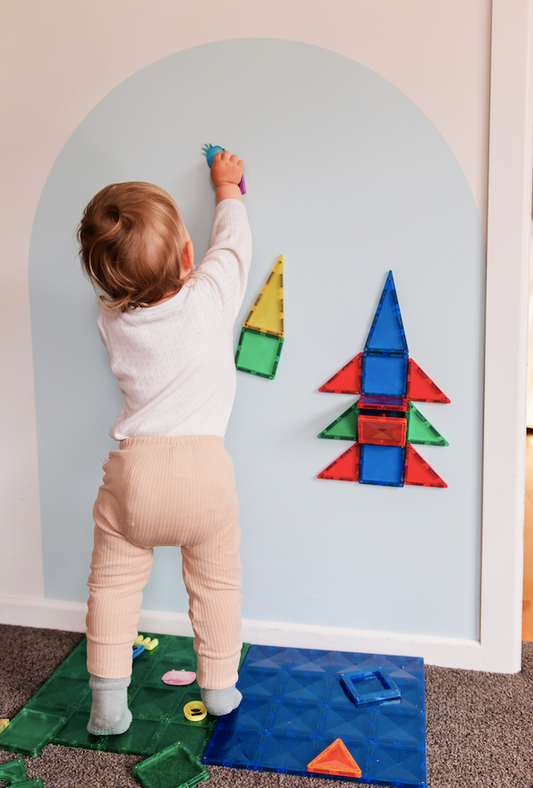
When children crawl, balance, jump or reach, they are building those muscles. That’s why activities that look like play are actually doing important behind-the-scenes work. It doesn’t take much. A few minutes of animal walks, wall drawing or balancing games each day can make a real difference over time.
How to Set Up a Simple FMS Program in the Junior Classroom
Start small. A few short sessions each week can have a big impact. Here’s how to get going without adding pressure to your already full plate:
- Choose one or two focus skills per week
- Use transition times or short movement breaks to practise
- Rotate activities every couple of weeks to keep it fresh
- Use what you already have: cones, tape lines, bean bags, hoops
- Keep it playful and low-pressure
- Let children lead or demonstrate once they’re confident
Examples of Activities for Each FMS Category
Locomotor Skills
- Animal Walk Relay: Set up a short course with cones or spots. Children move like different animals from one end to the other. Think bear crawls, frog jumps, crab walks and kangaroo hops
- Follow the Leader: One child leads a group around the space using movements like skipping, tiptoeing, hopping or galloping. Everyone copies
- Obstacle Adventure: Create a path using cones, chalk lines, planks and hoops. Children climb over, crawl under, balance across and zigzag through
Object Control Skills
- Bean Bag Toss: Use buckets, hoops or chalk targets. Children throw bean bags underarm or overarm and aim for the target
- Partner Roll and Catch: In pairs, children roll or gently throw a ball to each other. Start close and increase the distance as they gain confidence. In the past, I have used upside-down cones for catching with!
- Kick the Cone: Children kick a soft ball to knock over a cone or marker. Use chalk lines for starting points or goal areas (Hello, easy maths game idea for this one!)
Stability Skills
- Balance Beam Walk: Use masking tape on the floor or a low wooden beam. Children walk heel-to-toe across. Add challenges like balancing a bean bag on their head or turning at the end
- Shape Freeze: Play music and call out a shape when it stops. Children hold the pose for a few seconds. Try star, stretch, twist or curl
- Dodge and Freeze: Set up cones or markers across a space. Children move through them and freeze on your signal. Use a variety of movement types to increase challenge
Letting Kids Lead the Fun
Once children are familiar with the activities, let them take the lead. Invite them to design a relay, choose the movements or demonstrate the skill of the day. When kids lead, they build creativity, confidence and problem-solving. It also takes the pressure off you to be the one directing every part of the session. You might be surprised by how inventive they get.
What You’ll Notice Over Time
The benefits go well beyond PE. With regular movement sessions you might see:
- Improved sitting posture and pencil grip
- Increased confidence during PE and outdoor play
- Greater use of positional vocabulary in writing and oral language (behind, under and all of those challenging words!)
- More perseverance when learning something new
- Better self-regulation and focus after movement breaks
Easy Everyday Wins
You don’t need special gear or an hour set aside to support gross motor development. A walk to the library, balancing along a painted line, jumping over puddles or climbing on a rock wall can all do the job. When movement becomes part of the everyday, children build skills without even realising they’re doing it.
And the best part? It all adds up. These small, simple moments help children grow into confident movers and capable learners. That’s a win for them and a win for your classroom too.
For more guidance, tips and free activity ideas, you can check out the Fundamental Movement Skills resources from Sport New Zealand. (They're so great!) Their teaching guide is practical, well-structured and free to download. A great companion to what you’re already doing in class!
Want to learn more?
Check out these related posts:
- From Wobbles to Wiggles: Building Strong Gross Motor Skills Through Everyday Play!
- 10 Easy Ways to Purposefully Work on Gross Motor Skills at Home
- Fine Motor Skills for Preschoolers: 10 Easy Activities That Really Work!
- Fine Motor Skills: What They Are, Why They Matter, and How to Build Them Through Everyday Play
Or explore our product page for tools designed to encourage vertical play and gross motor development: