Gross Motor Skill Development - Big Moves for Little Bodies!
If you’ve ever watched your toddler climb the couch cushions like they’re preparing for an Everest summit attempt, you’re not alone. And believe it or not, that determined scramble is more than just a bit of mischief. It’s actually helping their brain and body grow!
Gross motor skills are the big body movements that help children do everything from running across the grass to hauling a laundry basket full of teddies. These are the muscles and motions that carry them through the world and they matter a lot more than we sometimes realise.
What Are Gross Motor Skills?
Gross motor skills are the movements that involve big muscles working together in a coordinated way. Think walking, running, hopping, skipping, rolling, climbing, carrying or throwing a ball across the backyard. These skills start developing from infancy and continue to build throughout childhood.
While fine motor skills are about precise movements of the hands and fingers, gross motor skills come first and set the stage for all that smaller, more detailed work later on. Before a child can sit at a table to thread beads or hold a pencil, they need the strength and coordination to sit upright and keep their body steady. That starts with the big movements.
Read more about fine motor skills here: Fine Motor Skills: What They Are, Why They Matter, and How to Build Them Through Everyday Play
Why Gross Motor Skill Development Matters
Developing strong gross motor skills helps children build physical strength, coordination, and balance. These are the foundational skills they use every single day! Whether it’s climbing into their car seat, carrying their own backpack, or navigating the playground at kindy. It’s also closely tied to independence and confidence. The more capable a child feels in their body, the more likely they are to explore, try new things, and take on challenges.
And it doesn’t stop with the body. Gross motor development is deeply connected to cognitive growth too. Research has shown that movement helps fire up important parts of the brain that support focus, memory, and problem-solving. Active play that’s purposeful, like crawling through a tunnel to reach a toy or throwing at a specific target is especially powerful. These kinds of activities don’t just burn energy. (Although that is always helpful too!) They help build better learners! So all the trips to the playground are for far more than trips to just get out of the house! Spending time climbing, running, swinging is all setting kids up for their whole lives!
The Importance of Core Strength
Core strength is often an unsung hero in gross motor development. It’s the muscle power that helps kids sit tall, balance on one foot, and shift smoothly between movements.
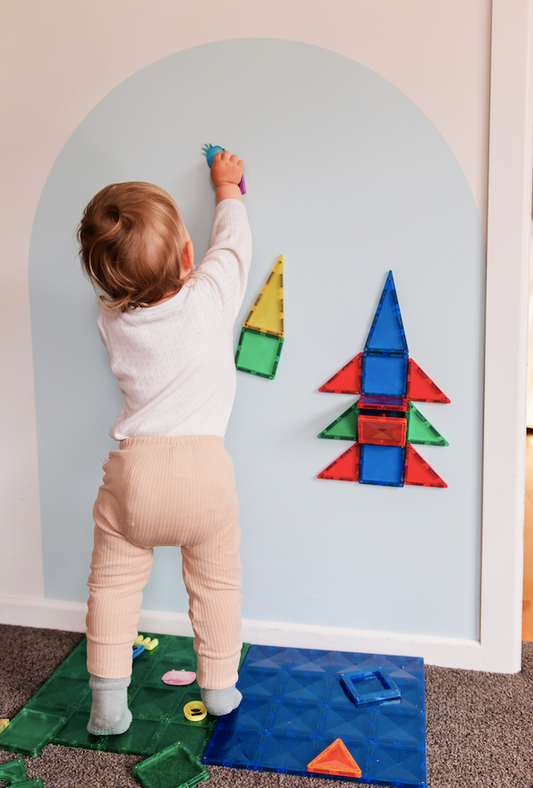
When children climb, hang, or pull themselves up on furniture or playground equipment, they are working hard on their core muscles. This type of vertical play is not only fun but incredibly beneficial. Activities like climbing trees, playground ladders, or even just pulling up on low bars engage the core in ways that floor-based play does not. Vertical play helps kids develop balance, body awareness, and the strength to control their movements confidently.
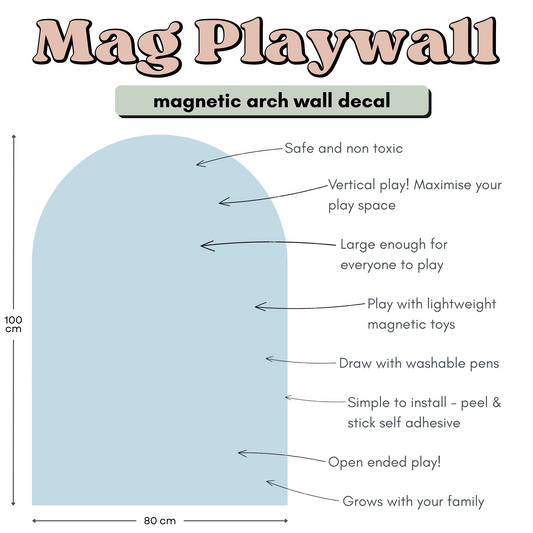
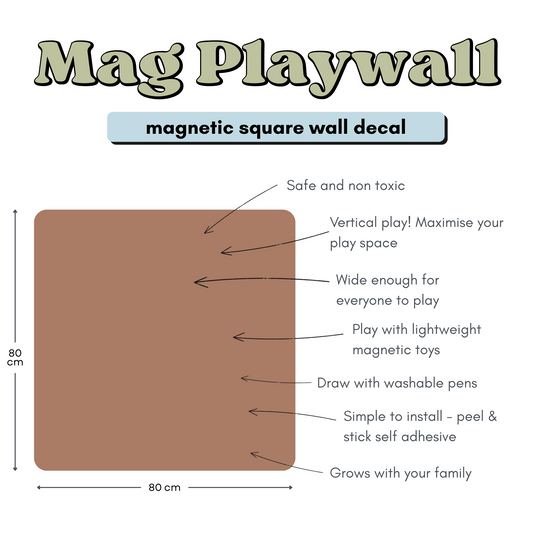
Encouraging vertical play at home can be as simple as setting up a magnetic playwall for sticking and moving pieces, creating a dedicated space on the wall for drawing with markers or chalk, or even using a fence for chalk art. These challenges build core strength and gross motor skills at the same time, helping children move more skillfully and with greater confidence.
If you’d like to read more about vertical play at home, check out this blog post here: Why Vertical Play Is So Good for Kids
How to Support Gross Motor Development Through Play
The best part? You don’t need expensive equipment or structured programs to support your child’s gross motor development. Play is the most effective way to build these skills, especially when it’s purposeful and engaging. Researchers have found that goal-oriented play activities, where children are encouraged to move in specific ways to achieve something (like jumping to touch a hanging scarf or crawling toward a hidden toy), lead to real improvements in strength, balance, and coordination.
Try creating obstacle courses using whatever you have at home. Lay out cushions to jump across, tunnels made from blankets over chairs, or tape lines to balance along. Play throwing games using soft toys and cardboard boxes as targets. Dance parties in the living room or animal walks in the hallway also pack a developmental punch. And never underestimate the power of free, unstructured movement, just running, climbing, or exploring outside builds strength and confidence too.
What's even better is that as they get older, you can have siblings or friends set up obstacle courses or simple challenges for each other! Win-win!
Five Easy Gross Motor Play Ideas to Try This Week
- Pillow pile jumps: Stack up couch cushions or pillows and let your child climb, leap, and land. It’s a brilliant way to work on leg strength and coordination.
- Animal safari: Crawl like a bear, hop like a frog, waddle like a penguin. Animal walks build core strength, balance, and body awareness while making kids giggle.
- Throw and run: Set up a soft toy throwing station with buckets or laundry baskets as targets. After each throw, have your child run to collect and reset. It’s simple but gets everything moving.
- Chalk hopscotch: Draw a hopscotch grid outside or inside with tape. Hopping on one foot challenges balance and coordination and gives legs a good workout.
- Wall Art Adventures: Set up a low section of wall or a vertical board where your child can draw, paint, or stick magnets. Reaching up, stretching side to side, and moving along the wall all help build core strength and coordination while encouraging creative play.

Final Thoughts
Gross motor development is so much more than just movement. It’s how children build strength, confidence, focus, and independence. !ll through joyful, everyday play. Whether they’re climbing, dancing, or crawling through a tunnel made of couch cushions, they’re learning. They’re getting stronger. And they’re building the foundation for everything else that comes next!
So keep saying yes to climbing. (Even if it’s on the couch. Even if it’s probably ruining the cushions, it’s good for them!) and maybe one day, they’ll be scaling real mountains!
Want to learn more?
Check out these related posts:
- From Wobbles to Wiggles: Building Strong Gross Motor Skills Through Everyday Play!
- Fine Motor Skills for Preschoolers: 10 Easy Activities That Really Work!
- Why Vertical Play Is So Good for Kids
Or explore our product page for tools designed to help support gross motor skill development: