10 Easy Ways to Intentionally Work on Gross Motor Skills at Home
Helping your little whirlwind build strong gross motor skills doesn’t have to feel like you’re training for the Olympics. With a bit of creativity and some everyday items, you can turn your home into a movement playground that’s fun, purposeful, and packed with learning!
What Are Gross Motor Skills, Anyway?
Gross motor skills involve the large muscles in a child’s legs, arms, back, and core. These skills allow kids to roll, sit, crawl, walk, jump, skip, climb, dance, and balance. Basically, any movement that helps children move from one place to another or control their bodies in space falls into this category. While fine motor skills often get more attention (especially once school starts) gross motor development lays the crucial foundation for all the smaller, more precise movements to come.
These kinds of games and activities also sneak in important language skills, especially positional vocabulary like “over,” “under,” “through,” and “in front.” These words can be tricky to learn and understand, so the more children practice them through movement and play, the more naturally they’ll pick them up.
Here are 10 easy ways to get moving and grooving at home, with purpose and plenty of smiles.
1. Create Mini Obstacle Courses
Turn your living room or backyard into a jungle gym with cushions to jump over, blankets to crawl under, and pillows to balance on. It’s like a mini wipeout at home! Giving your child a clear goal to focus on, like helps them focus their energy on controlled movement while strengthening their muscles and coordination.
2. Encourage Vertical Play on Walls
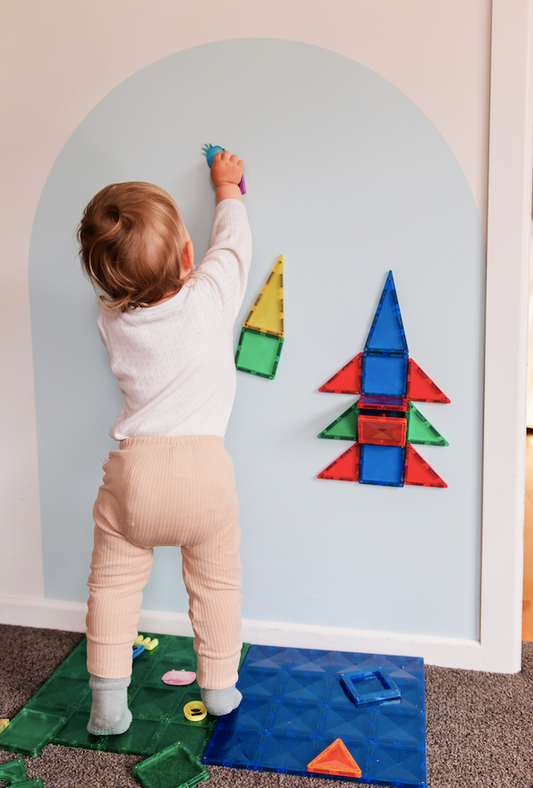
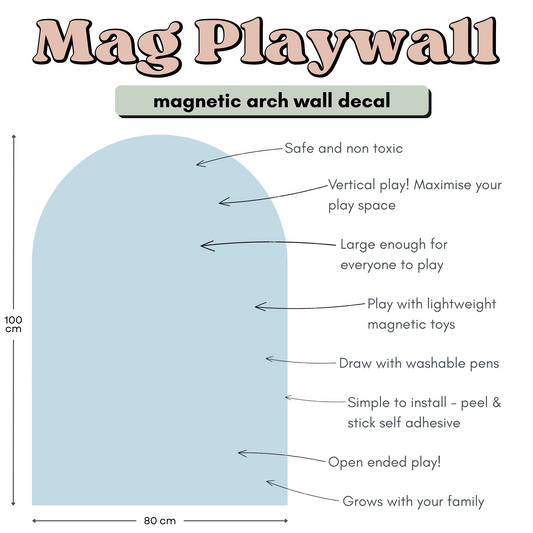
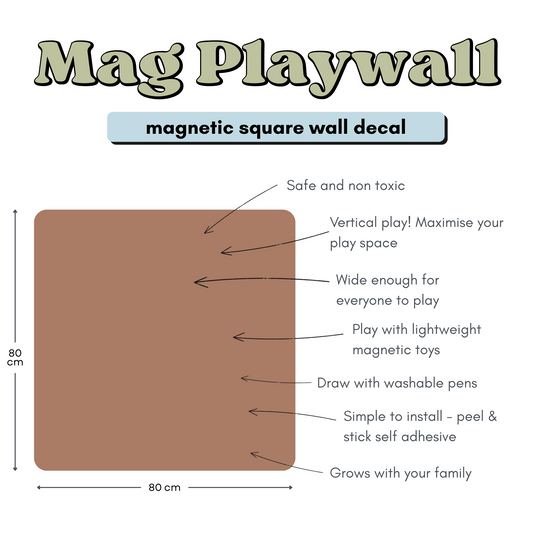
Set up a magnetic playwall, chalkboard, or washable marker station on a low wall. Drawing, moving magnets, reaching, stretching, and standing tall to draw works those core muscles like a charm. Bonus: it’s easy to clean up!
3. Animal Movement Games
Turn gross motor development into a silly safari with animal walks like bear crawls, frog jumps, crab walks, and flamingo stands. These movements develop core strength, stability, and body awareness and usually result in lots of giggles! It’s exercise disguised as play, the best kind!
4. Throwing and Catching Challenges
Soft balls, bean bags, balled-up socks or even scrunched up pieces of paper become fun tools for tossing into baskets or at targets. This hones hand-eye coordination and arm strength and offers plenty of chances for cheering and high-fives.
5. Dance and Freeze
Turn up the tunes and dance like nobody’s watching. Then hit pause and freeze! It’s a silly way to build body control and balance, plus it’s an instant mood lifter when everyone’s wiggling out wiggles!
6. Laundry Basket Pulls and Pushes
Fill a laundry basket with soft toys and let your child push or pull it around. It’s a sneaky way to build upper body strength and coordination, and you get a little tidy-up bonus too. (Or just get them to help with their mountains of laundry? That would be a real winner!)
7. Hopscotch and Jumping Games
Draw a hopscotch grid inside or outside and get hopping. Jumping on one foot or two helps with balance and planning your moves, and it’s a perfect excuse to be outside enjoying the fresh air.
If you have a skipping rope, practice jumping forward and backwards or side to side over the rope on the ground. As they improve, you can make it a challenge by moving the rope as they go. One day they’ll be skipping all on their own!
8. Balloon Volleyball
Blow up a balloon and keep it off the ground by hitting or catching it. It’s slower than regular volleyball, which means less frustration and more giggles plus great practice for timing and coordination! Plus, a great one to keep lots of kids busy together!
9. Bubble Chasing
Blow bubbles and encourage your child to chase and pop them. This playful game gets kids running, jumping, and reaching, building their gross motor skills while keeping the mood light and joyful.
10. Balance Beam Fun
Set up a simple balance beam at home using a piece of tape on the floor, a low wooden plank, or a sturdy curb outside. Encourage your child to walk heel to toe along the line or beam, trying to keep steady without falling off. This helps improve balance, coordination, and focus! Plus, it feels like a mini tightrope challenge for your little acrobat.
Letting Kids Lead the Fun
We all know adults love a good plan, but sometimes the absolute best play comes when kids take charge themselves. When siblings or friends come up with their own obstacle courses, games, or challenges, they’re not just having fun, they're building important social skills like cooperation, negotiation, and creative problem-solving.
Leading play gives kids a sense of ownership and pride, which boosts confidence and independence. Plus, parents get a well-deserved break from being the sole activity director. It’s a win-win where everyone learns and grows together.
Easy Everyday Movement Wins
Movement doesn’t always have to be planned or complicated. Simple, everyday activities like trips to the playground, scootering down the street, biking around the block, or even walking to school add up to big gross motor benefits over time. It can be as easy as balancing on a low rock wall during your walk, jumping over a puddle, or stepping over tree roots on the path. These little moments sneak movement and skill-building naturally into daily life. The best part? They require little to no prep, no special gear, and come with fresh air and plenty of fun. Make gross motor skill development part of your everyday rhythm, and soon it will feel like second nature to your little mover.
Remember: Keep Moving, Keep Laughing!
Gross motor skills are about way more than just running around or burning off energy. They lay the foundation for strength, confidence, focus, and even brain development. Every hop, crawl, jump, and dance move is a little victory that builds resilience and joy. So go ahead, pile up those cushions, crank your favourite tunes, and let your little mover take on the day one wiggle, jump, and giggle at a time. Because when movement feels like play, the learning sticks and the fun never ends!
Want to learn more?
Check out these related posts:
- Gross Motor Skill Development - Big Moves for Little Bodies!
- Fine Motor Skills for Preschoolers: 10 Easy Activities That Really Work!
- Why Vertical Play Is So Good for Kids
Or explore our product page for tools designed to for vertical play everyday to support gross motor development: