What are Sight Words? ‘Sight Words,’ ‘Tricky Words’ or ‘Heart Words’ Explained
Watching your little one learn to read is full of magic! Being able to read on their own is such a big milestone. But it can also be a little tricky and at many times frustrating. Some words fall neatly into place as they sound them out using the phonics skills they are learning, like cat, dog or hat. Then there are words that refuse to follow the rules. English likes to keep us on our toes like that…
Sight words are the words that cannot easily be sounded out because they do not follow typical phonics patterns. Your child has to recognise these words by sight or memory, which is why they are sometimes called heart words (as in, off by heart) or tricky words.
High frequency words are a slightly different group. These are the words that appear most often in reading. Some high frequency words can be sounded out using phonics (like can, run, bed, dog, or in) while others are tricky and cannot be sounded out (like have, said, come, or does). High frequency words are worth practising because your child will see them everywhere in books and while reading and recognising them quickly helps them read more fluently which builds confidence.
Practising both sight words and high frequency words with fun, playful activities helps children remember the tricky parts and feel confident reading and writing.
Why These Words Are Different
Most words follow predictable letter and sound patterns. For example, cat is easy because each letter makes the sound you expect. Tricky words break those patterns and that is why they can be so frustrating for little readers.
Some examples of heart words your child might encounter early in their learning journey include:
- said where the ai sounds like 'e' as in bed instead of the usual 'eye' sound
- come and love where the o sounds like 'uh' as in cup instead of the usual long o sound
- does where the oes sounds like 'uhz' as in buzz instead of the usual long o sound like in goes
- have where the a sounds like 'a' as in cat instead of the long a sound
- some where the o sounds like 'uh' as in cup instead of the usual long o sound
- friend where the ie sounds like 'e' as in bed instead of 'ee' as in see
- one where the o sounds like 'wuh' as in wonder instead of the usual long o sound
- school where the ch sounds like 'sk' as in skip instead of the usual ch sound
- two where the w is silent and it is pronounced like 'too'
- here where the e-e sounds like 'ear' as in deer instead of the long e sound
Even though these words look simple, they are tricky to early readers because they do not follow the usual phonics rules. Recognising them and practising the irregular parts is the key to reading and spelling them confidently.
How to Practise Sight Words at Home
There are lots of ways to make tricky words fun and memorable at home. Some of our favourite strategies include:
- Highlight the tricky part: Show your child the part of the word that does not follow the rules. In said you could highlight the ai to draw attention to the unusual sound. Or draw a heart around the tricky part to remind us it is a ‘heart word’.
- Use multisensory practice: Have your child trace the word with their finger, say it out loud and write it down. Seeing, saying and doing all at once helps their brain remember.
- Spot the word in books Encourage your child to find the word in their favourite story or use it in a sentence. Seeing it in context helps it stick.
- Make it playful Magnetic letters, flashcards or even chalk on the fence can make tricky words feel like a game instead of work
Note: Breaking a word into chunks or syllables is useful for practising the sounds we do know, but it doesn’t always help when trying to sound out tricky sight words. For example, in the word said, you might try to sound out s and aid, but the ai does not make the usual long 'i' sound, so this strategy won’t work. Instead, children need to learn the tricky part by sight.
Why Quick-Fire Drills Aren’t the Best Way to Learn
It can be tempting to try and get children to memorise sight words super fast using flashcards or quick-fire drills. You might think that the faster they can say a word, the better, but research shows this is not always helpful. One study found that repeatedly testing a child on a word without giving them time to notice the tricky part and practise it in a meaningful way does not improve their ability to spell it correctly.
Children need time to see, say and write the word. They need to understand which part is irregular and why it is different from what they have learned in phonics. When learning becomes a rapid-fire game of memory, children may remember the word short-term for a test but struggle to spell it independently in their own writing. Taking a slower, playful, multisensory approach helps the word stick in their memory for the long term.
But just because we are slowing down doesn’t mean it can’t be fun! Games, playful challenges, or little competitions with magnetic letters or word spotting in books can make practising sight words just as exciting as any speedy flashcard drill.
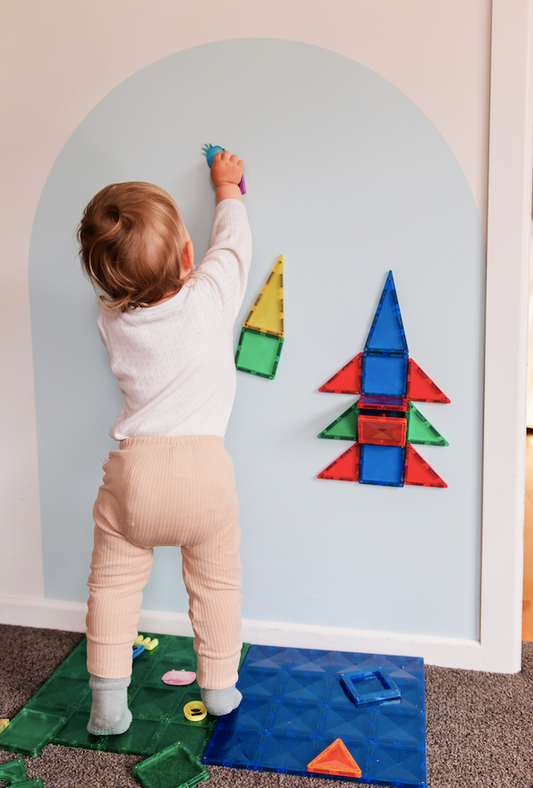
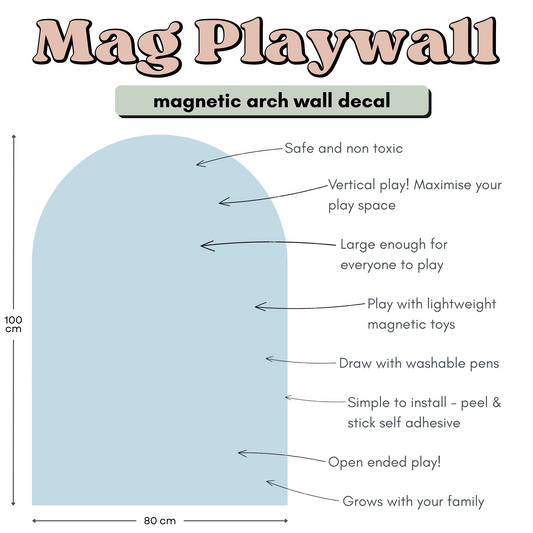
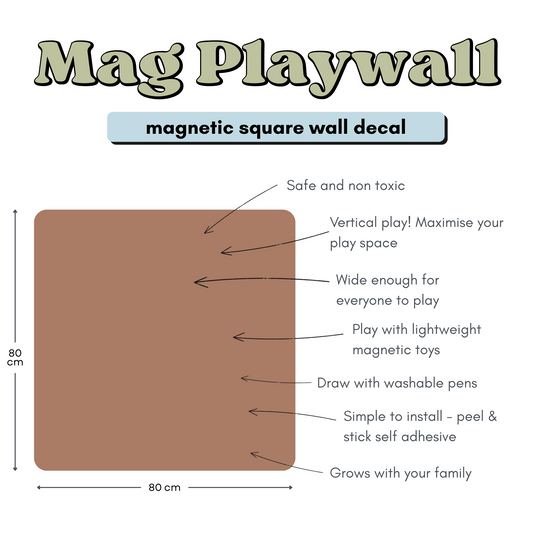
Instead of racing through flashcards, try activities that let your child interact with the word. Tracing it in sand, using magnetic letters, writing it in a sentence on your Mag Playwall or spotting it in a book you are reading together are all ways to make learning meaningful. When children connect the letters, sounds and meaning, that tricky word becomes much easier to remember.
Research supporting this approach can be found in Lynch, B. (2024). Exploring effective teaching strategies for spelling sight words. Caldwell University.
10 Heart Words to Start Practising at Home
These are some of the first tricky words many children will encounter. Focus on the part that does not follow the usual phonics rules to help your child remember them more easily.
- said where the ai sounds like 'e' as in bed instead of the usual 'eye' sound
- come where the o sounds like 'uh' as in cup instead of the usual long o sound
- love where the o sounds like 'uh' as in cup instead of the usual long o sound
- does where the oes sounds like 'uhz' as in buzz instead of the usual long o sound like in goes
- have where the a sounds like 'a' as in cat instead of the long a sound
- some where the o sounds like 'uh' as in cup instead of the usual long o sound
- friend where the ie sounds like 'e' as in bed instead of 'ee' as in see
- one where the o sounds like 'wuh' as in wonder instead of the usual long o sound
- school where the ch sounds like 'sk' as in skip instead of the usual ch sound
- two where the w is silent and it is pronounced like 'too'
Encourage your child to recognise, say and write the tricky part of each word every day. Using playful activities like magnetic letters, practice cards or the Mag Playwall can make learning these words fun and help them stick in memory!
Helping your child master sight words, tricky words or heart words does not have to be stressful. With simple, playful activities and a little patience, your child can tackle even the trickiest words and build a strong foundation for a lifetime of reading success. I hope this guide helps explain what your child might come home from school talking about when they start going on about ‘heart words’ without you feeling completely lost!
Want to learn more?
Check out these related posts:
- Everything You Need to Know About Open-Ended Play – The Ultimate Guide!
- The Ultimate Guide to Independent Play for Kids
-
8 Fun Ways to Learn Sight Words at Home or in the Classroom
Or explore our product page for toys designed by a teacher to support learning at home while they have fun!