Independent Play: How to Teach Kids to Play on Their Own
Independent play is one of those parenting dreams that sounds great in theory, but in real life can feel like trying to sneak away from a clingy koala. The good news? Kids can learn to play on their own. It just takes a bit of guidance, a little patience, and a few clever tricks up your sleeve.
Remember: Independent play is a skill to learn
Playing on their own isn’t something kids automatically know how to do. It’s a skill they build over time, just like learning to walk or learning how to zip up a jacket. Some kids pick it up quickly, while others need a bit more support and practice. That’s totally normal. The more chances they get to try it in a low-pressure way, the more confident and capable they’ll become. Think of it as a slow and steady build, not a one-and-done moment.
Start small and build from there
If your child is used to you being involved in every part of their play, suddenly expecting them to entertain themselves for an hour is a big ask. Begin with short chunks of solo play. Even five minutes is a great start. Use a timer and say something like, “I’m just going to do the dishes while you play with your blocks. When the timer goes off, I’ll come back.” Then slowly increase the time as they get more confident.
Set up a 'yes' space
Give your child an area they know is theirs. A little nook with soft flooring, a few toys, and things at their height they can explore without constant reminders or supervision. When kids feel safe and in charge of their space, they’re more likely to explore and settle into play.
Choose toys that do less
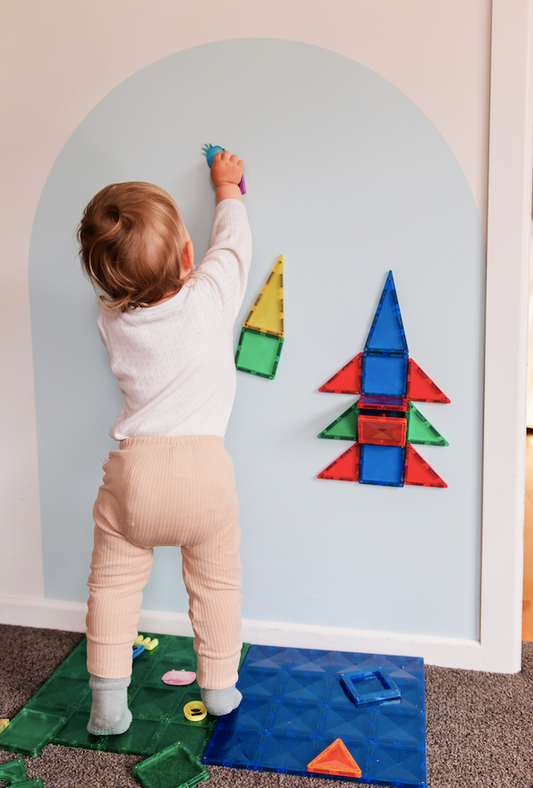
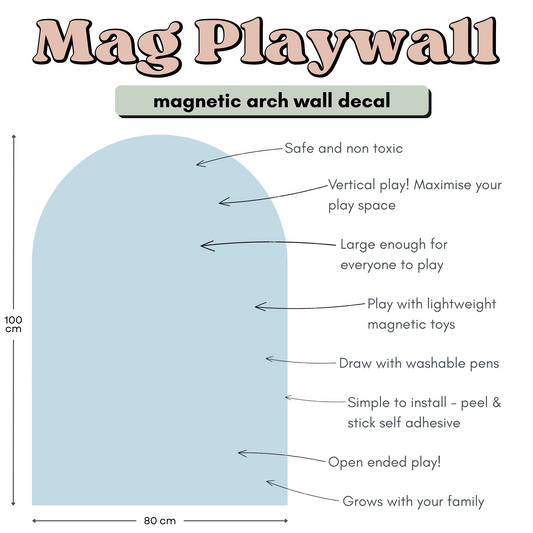
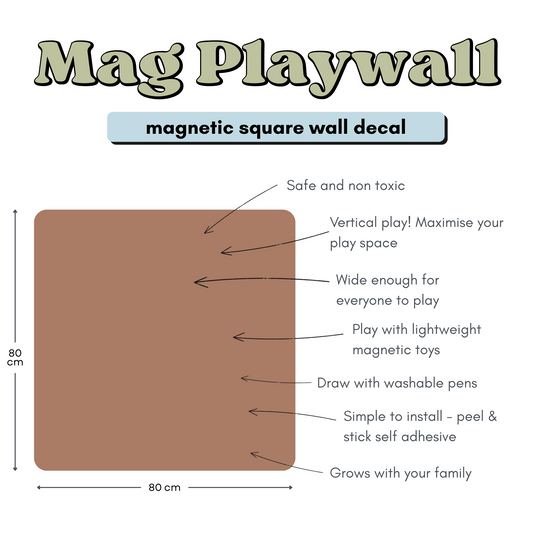
The best toys for independent play are the ones that don’t do all the work. Open-ended toys like blocks, play dough, magnetic tiles, dress-ups, cardboard boxes, and loose parts let kids take the lead. There’s no one right way to use them, which means they can follow their own ideas and keep going for longer. The Mag Playwall is a great example. It turns a simple space into an interactive zone where kids can create, imagine, and change things up again and again.
Rotate what’s available
Too many toys at once can feel overwhelming. Keep a small selection out and put the rest away. Every week or two, swap a few things in and out. That half-forgotten truck or puzzle will suddenly feel new again, and you’ll get bonus playtime without buying anything extra.
Start with favourites
Before introducing something brand new, begin with toys your child already loves. Familiar toys can feel comforting, especially when they're trying something new like playing solo. It’s much easier to dive into independent play with an old friend than a mystery item from the toy box.
Set up little invitations to play
Sometimes all a child needs is a gentle nudge. Try leaving out a simple setup to spark curiosity. Maybe some animals around a bowl of water, a road made with masking tape, or a line of dinosaurs headed toward a block tower. These prompts catch their eye and get their imagination going without much input from you.
Model first, then slowly move away
Sit down with your child at the beginning and start playing with the toy. Keep your role simple and non-directive. Stack a few blocks, start a little pretend game, or roll the car along the track. Then casually say, “I’m just going to grab a snack. You keep going,” and quietly step away. This shows that playing on their own is normal and doable.
Let them feel bored
“I’m bored” is not a crisis. We don’t actually have to keep kids entertained all day. Boredom is often the start of something good. It gives kids the space to come up with their own ideas, well they have to right! Try not to rush in with a solution. Give them a few minutes. Often, that uncomfortable moment is followed by a spark of creativity that leads to brilliant, messy, magical play.
Make it part of the routine
Kids love predictability. Try building independent play into the daily rhythm. Maybe after breakfast or before dinner is their time to play while you get a few things done. The more it becomes a regular part of the day, the more natural it feels.
Celebrate the effort
When they do manage to play by themselves, even for a short time, notice it. Praise their effort in a genuine way:
- You worked so hard on that tower!
- This is such a wonderful picture!
- I love the story you made up with those toys
-
You were playing for so long!
It builds their confidence and helps them feel proud of what they can do without needing constant company.
Let it be a bit messy
Independent play looks different for every child. Some kids talk to themselves while they play. Others jump from one thing to the next. Some will be completely absorbed for ages and others will circle back to you every few minutes. It’s all valid. The goal isn’t perfect silence. The goal is giving them the freedom to explore and create on their own terms.
The magic of independent play
Independent play gives kids space to problem-solve, stretch their imagination, and build confidence. It gives you a moment to breathe, which let’s be honest, every parent needs. With the right setup and a bit of patience, you’ll start to see those solo play moments grow longer and richer. You might even finish a hot cup of tea. Imagine that.
Want to learn more?
Check out these related posts:
- 7 Easy Ways to Encourage Open Ended Play and Inquiring Minds
- Fine Motor Skills for Preschoolers: 10 Easy Activities That Really Work!
- Why the Mag Playwall is Great for Independent Play!
Explore our products for toys that they love to play with on their own!