Fine Motor Skills: Little Moves for the Future
Before a child learns to write their name, they need to learn to do a hundred smaller things first.
Like drawing a big wobbly circle bigger than their head!
Pick up tiny bits of paper.
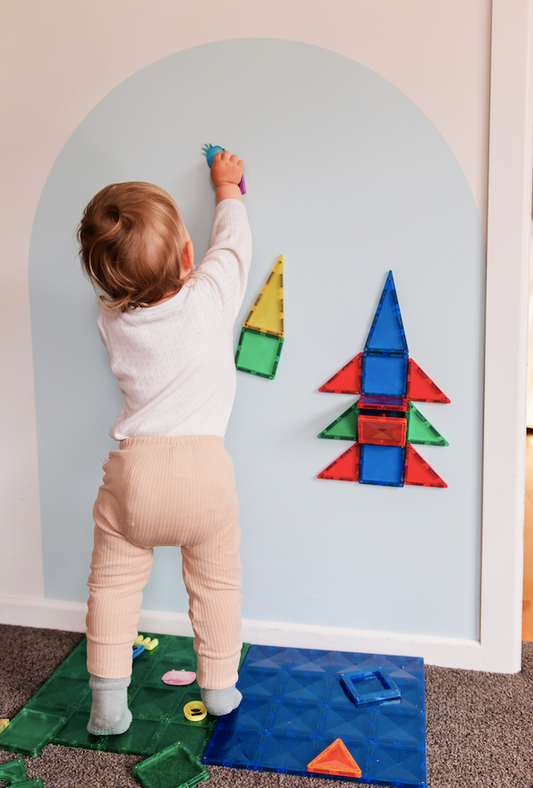
Pinch a magnet between their fingers and move it across a wall.
Rolling playdough into a snake!
Touching their left pointer finger to their right big toe!
These small actions might not seem like much, but they’re all part of something bigger: fine motor skill development.
What are fine motor skills?
Fine motor skills are small, precise movements that involve different parts of the body working together in a coordinated way such as the hands, eyes, arms, and fingers. These skills include hand-eye coordination, foot-eye coordination, and the ability to control and move fingers accurately. These skills are essential for everyday tasks like drawing, writing, buttoning clothes, picking small things up or using tools. (Sutapa et al., 2021).
So in short, these are the skills we all need in our day to day life, from handwriting and drawing to getting dressed and feeding ourselves. Our little people start developing these skills day to day and can be encouraged through play and lots of practice! (And a lotttt of patience…)

How do children build fine motor skills?
Through play.
Through practice.
Through lots of trial and error (and a whole lot of patience).
Every time your child places a magnet, traces a shape, peels and sticks something just right: they’re doing far more than 'just playing.' They’re building muscle memory, coordination, and strength that will one day help them zip a jacket, open a lunchbox, or confidently hold a pencil!
Support fine motor development - without pressure
You don’t need flashcards or worksheets. Just time, space, and playful tools that encourage your child to explore with their hands (and sometimes feet!).
Because when play is purposeful, without being pushed, little hands grow stronger. And with stronger hands, the big stuff becomes possible: writing, dressing, creating, and more.
So next time your child is deep in play: moving magnets, doodling, pinching playdough, or sorting little shapes… know this:
It might look simple. But it’s important work!
Happy playing!
Want to learn more?
Check out these related posts:
- Fine Motor Skills: What They Are, Why They Matter, and How to Build Them Through Everyday Play
- Fine Motor Skills for Preschoolers: 10 Easy Activities That Really Work!
- Why Vertical Play Is So Good for Kids!
Or explore our product page for tools designed to support fine motor development: